
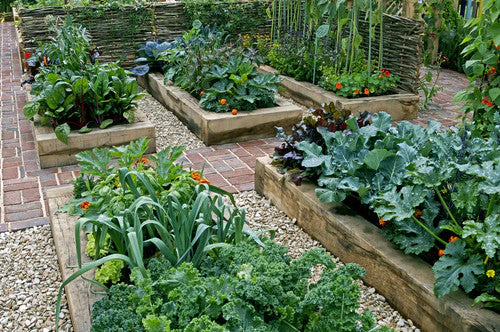
Urban living and limited outdoor areas no longer mean giving up on fresh, homegrown produce. Small-space vertical farming has become a practical and rewarding solution for home growers who want to maximize yields in compact environments. By utilizing vertical space, you can grow a surprising variety of vegetables, herbs, and even fruits—right inside your apartment, on a balcony, or in a small backyard.
This guide covers the essentials of setting up your own vertical garden, choosing the right crops, and maintaining a thriving system with minimal space. Whether you’re a beginner or looking to optimize your current setup, you’ll find actionable tips and resources to help you succeed.
If you’re also interested in maximizing your harvests indoors, check out our tips on small-space indoor gardening for more inspiration and practical advice.
Why Choose Vertical Gardening in Small Spaces?
The main advantage of vertical growing systems is their ability to multiply your productive area without expanding your footprint. By stacking planters, using shelves, or installing wall-mounted pockets, you can turn a single square foot into several layers of lush greenery. This method is ideal for renters, urban dwellers, and anyone with limited ground space.
- Efficient use of space: Grow more in less area by going upward.
- Improved air circulation: Vertical arrangements reduce disease risk and promote healthier plants.
- Accessibility: Easier to maintain and harvest, especially for those with mobility challenges.
- Versatility: Suitable for both indoor and outdoor environments.
For those new to compact gardening, it’s important to be aware of small-space gardening mistakes to avoid so your vertical setup thrives from the start.
Getting Started with Small-Space Vertical Farming
Setting up a productive vertical system at home doesn’t require a huge investment or advanced skills. Here’s a step-by-step approach to help you begin:
Assess Your Space and Light
Start by identifying the best location for your vertical garden. South-facing windows, balconies, or patios with at least 4–6 hours of sunlight are ideal. If natural light is limited, supplement with LED grow lights to ensure healthy growth.
Choose the Right Vertical Structures
There are several options for building your vertical setup:
- Stackable planters: Modular containers that can be arranged in tiers.
- Wall-mounted pockets: Fabric or plastic pouches attached to walls or fences.
- Shelves and racks: Sturdy shelving units for pots and trays.
- Trellises and cages: Great for vining crops like peas and beans.
For a simple start, consider using a galvanized gardening container or fabric grow bags—both are lightweight, portable, and suitable for vertical arrangements.
Selecting Crops for Vertical Gardens
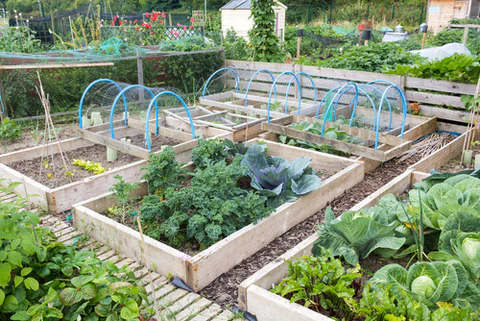
Not all plants are equally suited for upright growing. Focus on compact, fast-growing, or vining varieties that thrive in containers:
- Leafy greens: Lettuce, spinach, kale, and arugula grow quickly and need little root space.
- Herbs: Basil, parsley, cilantro, mint, and chives are perfect for small containers.
- Strawberries: These fruit well in hanging pockets or stacked pots.
- Vining crops: Peas, pole beans, and cherry tomatoes can be trained up trellises.
- Microgreens: For a continuous harvest, try growing microgreens on shelves or trays. Our guide on how to grow microgreens indoors offers step-by-step instructions.
For those interested in culinary gardening, you might also enjoy learning how to start a small herb garden to complement your vertical setup.
Key Tips for Success in Compact Vertical Systems
Soil and Fertility Management
Use high-quality, lightweight potting mix to ensure good drainage and aeration. Vertical containers can dry out faster, so check moisture levels regularly. Incorporate slow-release organic fertilizers or supplement with liquid feeds every few weeks.
If you want to recycle kitchen scraps and enrich your soil, consider learning how to compost in apartments for a sustainable approach.
Watering Strategies
Consistent watering is crucial for vertical gardens. Drip irrigation systems or self-watering containers can help maintain even moisture, but manual watering works well for smaller setups. Water from the top and allow excess to drain through each layer.
Lighting for Indoor Vertical Farms
If your space lacks sufficient sunlight, supplement with full-spectrum LED grow lights. Position lights 6–12 inches above the plants and adjust as they grow. Timers can automate lighting schedules for optimal growth.

Maintenance and Troubleshooting for Vertical Gardens
Regular care is essential to keep your vertical system productive:
- Prune regularly: Remove yellowing leaves and spent stems to encourage new growth.
- Monitor for pests: Check for aphids, spider mites, or fungal issues, especially in humid environments.
- Rotate crops: Change plant positions each season to prevent nutrient depletion and disease buildup.
- Harvest frequently: Picking leaves and herbs often promotes bushier, healthier plants.
For more inspiration and homesteading tips, explore resources like Mother Earth News’ homesteading and livestock section.
Frequently Asked Questions
What are the best crops for vertical gardening in small areas?
Leafy greens, herbs, strawberries, and vining crops like peas and beans are excellent choices. These plants adapt well to containers and stacked systems, making them ideal for compact vertical setups.
How do I prevent overwatering in a vertical system?
Use containers with good drainage and water from the top, allowing excess to flow through each layer. Check soil moisture regularly and adjust your watering schedule based on plant needs and environmental conditions.
Can I use vertical farming techniques indoors?
Absolutely. With the right containers and supplemental lighting, you can grow a wide variety of crops indoors year-round. Make sure to choose compact varieties and monitor humidity and airflow to prevent disease.
How do I maximize yields in a limited space?
Focus on fast-growing, high-yield crops, use high-quality soil, and harvest frequently. Rotate crops and replenish nutrients regularly to keep your system productive.
Conclusion
Embracing small-space vertical farming allows home growers to enjoy fresh produce, even in the most compact environments. With careful planning, the right equipment, and ongoing care, you can transform a small area into a productive, beautiful green space. Start with a simple setup, experiment with different crops, and enjoy the satisfaction of harvesting your own food at home.