Creating a balcony garden is a rewarding way to enjoy fresh herbs, vegetables, and flowers even in a small urban space. With the right planning and a few practical steps, anyone can transform a balcony into a productive and beautiful green retreat. Whether you’re new to container gardening or looking to improve your current setup, this guide will walk you through the essential steps for a thriving balcony oasis.
Before diving into plant selection and layout, it’s important to understand your space, choose suitable containers, and consider factors like sunlight, wind, and weight restrictions. By following a methodical approach, you’ll maximize your growing potential and avoid common pitfalls. For those interested in composting indoors, check out this helpful resource on how to compost in apartments for sustainable gardening practices.
Assessing Your Balcony for Gardening
The first step to a successful balcony garden is evaluating your available space. Measure the dimensions of your balcony and note any weight restrictions set by your building. Balconies vary in size and structure, so understanding these limits will help you choose the right containers and avoid overloading the area.
Observe how much sunlight your balcony receives throughout the day. Most edible plants need at least 4-6 hours of direct sunlight. South- or west-facing balconies generally get the most sun, while north-facing spaces may be better for shade-tolerant plants. Also, consider wind exposure; high-rise balconies can be windy, which may dry out plants or damage delicate stems.
Choosing Containers and Soil for Your Urban Garden
Container selection is crucial for balcony gardening. Opt for lightweight but sturdy pots, planters, or grow bags that suit your space and aesthetic. Drainage is essential—ensure every container has holes at the bottom to prevent waterlogging. For those with limited space, vertical planters or railing boxes can maximize your growing area.
Use a high-quality potting mix rather than garden soil, as it’s lighter and drains better. Adding compost or slow-release organic fertilizer will give your plants a nutrient boost. If you’re interested in growing herbs in small spaces, you might find this article on how to start a small herb garden helpful for inspiration and practical tips.
Selecting the Right Plants for Your Balcony
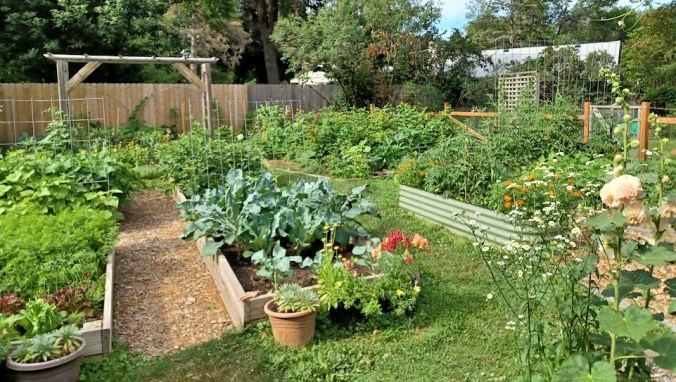
Not all plants are suited for container life or the unique conditions of a balcony. When deciding what to grow, consider your local climate, the amount of sunlight, and your available space. Leafy greens like lettuce, spinach, and kale thrive in partial shade and shallow containers. Herbs such as basil, parsley, and mint are compact and perfect for beginners.
For those with sunnier spots, cherry tomatoes, peppers, and strawberries can be highly productive. Flowers like marigolds, nasturtiums, and petunias add color and can attract pollinators. If you’re interested in growing microgreens indoors, you can find more information in this guide on how to grow microgreens indoors.
Arranging and Planting Your Balcony Garden
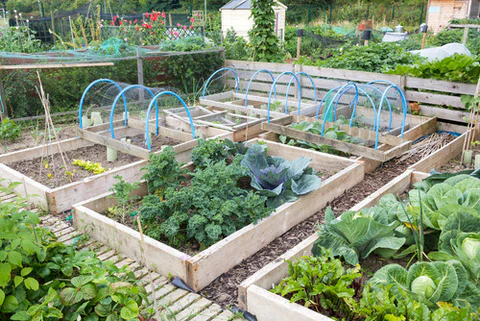
Plan your layout to make the most of your space and sunlight. Place taller plants at the back or along the railing, with shorter varieties in front. Group plants with similar water and light needs together for easier care. Vertical gardening solutions, like wall-mounted planters or hanging baskets, can help you grow more in a compact area.
When planting, follow the recommended spacing for each variety to prevent overcrowding. Water thoroughly after planting and keep an eye on soil moisture, as containers tend to dry out faster than ground beds. Mulching the surface with straw or bark chips can help retain moisture and reduce watering frequency.
Maintaining Your Urban Garden: Watering, Feeding, and Troubleshooting
Consistent care is key to a flourishing balcony setup. Water your plants regularly, especially during hot or windy weather. Early morning or late evening is the best time to water, reducing evaporation and minimizing the risk of fungal diseases. Use a watering can with a narrow spout for precision and to avoid splashing leaves.
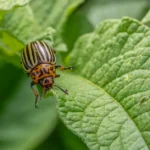
Feed your plants every few weeks with a balanced liquid fertilizer or organic compost tea. Keep an eye out for pests like aphids or spider mites, which can be more common in container gardens. Remove dead leaves and spent flowers to encourage new growth and keep your garden tidy.
For more tips on avoiding common issues, you might find this article on small-space gardening mistakes to avoid useful. Adapting your care routine to the specific needs of your plants will help you achieve the best results.
Maximizing Small Spaces and Extending the Growing Season
Even with limited square footage, you can grow a surprising amount by using shelves, plant stands, and vertical supports. Consider staggered planting to ensure a continuous harvest. If your balcony receives less light, supplement with LED grow lights to extend the growing season or start seeds indoors.
Protect your plants from harsh weather by moving containers closer to the building wall during storms or using temporary covers. In colder climates, hardy greens and herbs can often survive into the fall with a little extra protection.
For more inspiration on living a self-sufficient lifestyle, explore this in-depth look at the homesteading life and discover how small-space gardening fits into a broader sustainable approach.
Frequently Asked Questions
What are the best vegetables to grow on a balcony?
Leafy greens like lettuce, spinach, and arugula are ideal for small containers and partial shade. Cherry tomatoes, peppers, radishes, and bush beans also adapt well to balcony conditions. Choose compact or dwarf varieties for the best results in limited space.
How often should I water my balcony plants?
Container plants typically need more frequent watering than those in the ground. Check soil moisture daily, especially during hot weather. Water deeply when the top inch of soil feels dry, but ensure containers drain well to prevent root rot.
Can I grow a balcony garden if my space is mostly shaded?
Yes, many herbs (such as mint and parsley), leafy greens, and some root vegetables tolerate partial shade. Focus on shade-loving plants and consider using reflective surfaces or supplemental grow lights to increase available light.