Growing fresh herbs at home is possible no matter where you live—whether you have a backyard, a balcony, or just a sunny windowsill. With a little planning and the right approach, you can enjoy homegrown flavors year-round. This guide covers everything you need to know about how to start a small herb garden in any space, from choosing the right herbs to harvesting and using them in your kitchen.
If you’re interested in other space-saving homesteading skills, you might also enjoy learning about small-space fermenting techniques for beginners.
Why Grow Your Own Herbs?
Cultivating herbs at home offers several benefits. Fresh herbs are more flavorful and aromatic than store-bought options, and you can pick exactly what you need, reducing waste. Growing your own also saves money over time and gives you control over how your plants are grown—no pesticides or chemicals unless you choose them. Plus, tending a small garden is a rewarding, stress-relieving hobby that connects you with nature, even in urban settings.
Choosing the Best Location for Your Herb Garden
The first step in creating a thriving herb patch is finding the right spot. Most culinary herbs need at least 4–6 hours of sunlight each day. South- or west-facing windowsills, balconies, patios, or even a sunny corner of your kitchen can work well. If outdoor space is limited, consider using containers or vertical planters to maximize your growing area.
For those with rooftop access, you might find these tips on how to start a rooftop garden helpful for expanding your growing options.
Essential Supplies for Small-Space Herb Gardening
You don’t need a lot of fancy equipment to get started. Here’s what you’ll need:
- Containers or pots: Choose containers with drainage holes. Options include ceramic pots, recycled containers, or fabric grow bags.
- Quality potting mix: Use a well-draining, organic potting soil suitable for herbs.
- Herb seeds or starter plants: Select varieties that match your cooking preferences and available space.
- Watering can or spray bottle: Herbs prefer consistent moisture but dislike soggy roots.
- Grow lights (optional): If your space lacks sunlight, LED grow lights can supplement natural light.
Picking the Right Herbs for Your Space
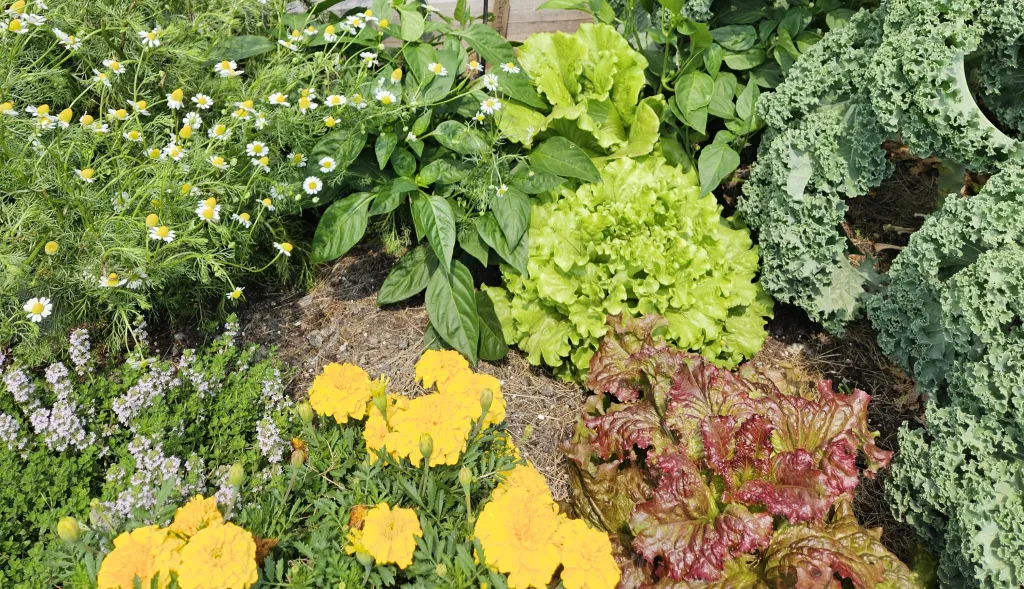
When planning a compact herb patch, focus on varieties that thrive in containers and suit your culinary needs. Some of the easiest and most popular options include:
- Basil: Loves warmth and sunlight; perfect for windowsills.
- Parsley: Tolerates partial shade and grows well indoors.
- Chives: Hardy and productive in small pots.
- Mint: Vigorous grower—best kept in its own container to prevent spreading.
- Thyme, oregano, and rosemary: Mediterranean herbs that prefer drier soil and lots of sun.
- Cilantro: Fast-growing but prefers cooler temperatures.
Start with three to five types to avoid overcrowding and make care easier. Choose herbs you use most often in your cooking for maximum value.
Step-by-Step Guide: Growing Herbs in Small Spaces
1. Prepare Your Containers
Fill each pot or grow bag with a high-quality potting mix, leaving about an inch at the top for watering. If reusing containers, clean them thoroughly to prevent disease.
2. Plant Seeds or Seedlings
For seeds, follow the packet instructions for depth and spacing. Most herbs can be sown directly into containers. If using starter plants, gently loosen the roots and plant at the same depth as in their nursery pots.
3. Water and Place in Sunlight
Water thoroughly after planting, then allow the top inch of soil to dry out before watering again. Place your containers in the sunniest spot available. If sunlight is limited, supplement with LED grow lights for 12–16 hours per day.
4. Maintain and Harvest Regularly
Pinch back the tips of your herbs to encourage bushier growth. Remove any yellowing leaves and watch for pests. Harvest leaves as needed, but avoid taking more than one-third of the plant at a time to keep it healthy.
Tips for Success With Your Compact Herb Patch
- Rotate your containers every few days to ensure even growth if sunlight comes from one direction.
- Fertilize lightly every 4–6 weeks with an organic liquid fertilizer, but avoid overfeeding.
- Watch for pests like aphids or spider mites. Treat with insecticidal soap if needed.
- Group herbs with similar needs (like Mediterranean types) together for easier care.
- Label your pots to keep track of different varieties, especially when starting from seed.
For more inspiration on making the most of limited space, check out these small-space beekeeping tips for urban homesteaders.
Using and Preserving Your Homegrown Herbs
Once your plants are established, snip leaves as needed for cooking. Many herbs can be dried or frozen for later use. To preserve your harvest, you might want to explore small-space food preservation methods that work well in apartments or small homes.
If you’re interested in other homesteading principles, these beginner homesteading principles offer a helpful foundation for starting new projects.
Frequently Asked Questions
What are the easiest herbs to grow indoors?
Some of the simplest herbs to cultivate indoors include basil, chives, parsley, mint, and oregano. These varieties adapt well to containers and require minimal care as long as they receive enough light and water.
How much sunlight do herbs need?
Most culinary herbs thrive with 4–6 hours of direct sunlight daily. If your space is shaded, supplement with LED grow lights to ensure healthy, vigorous plants.
Can I grow herbs year-round?
Yes, many herbs can be grown indoors throughout the year. With proper lighting and regular care, you can enjoy fresh herbs no matter the season.
How do I prevent overwatering my herbs?
Always use containers with drainage holes and let the top inch of soil dry out between waterings. Herbs generally prefer slightly dry conditions over soggy soil.
Conclusion
Starting a compact herb patch is achievable for anyone, regardless of available space. By choosing the right location, selecting suitable herbs, and following a few simple steps, you can enjoy fresh, flavorful additions to your meals all year long. Whether you’re gardening on a balcony, windowsill, or rooftop, the satisfaction of harvesting your own herbs is well within reach.