Urban homesteaders and gardening enthusiasts often turn to compact plots, balconies, or patios to grow fresh produce and flowers. While these limited areas offer plenty of potential, they also present unique challenges. Many beginners and even experienced gardeners encounter common pitfalls that can hinder plant health and reduce yields. Understanding the most frequent small-space gardening mistakes to avoid will help you make the most of your available area and enjoy a thriving, productive garden.
Whether you’re working with containers, raised beds, or vertical setups, learning from others’ missteps can save time, money, and frustration. This guide covers the most prevalent errors, practical solutions, and expert tips for maximizing your results in tight quarters. For those interested in expanding their homesteading skills beyond gardening, you might also explore small-space fermenting techniques to make the most of your harvests.
Overcrowding Plants in Limited Spaces
One of the most frequent small-space gardening mistakes is planting too densely. It’s tempting to maximize every inch by squeezing in as many seedlings as possible, but overcrowding leads to poor air circulation, increased disease risk, and stunted growth. Plants need adequate space for roots to spread and leaves to access sunlight. Ignoring spacing guidelines on seed packets or plant tags can result in disappointing yields and unhealthy specimens.
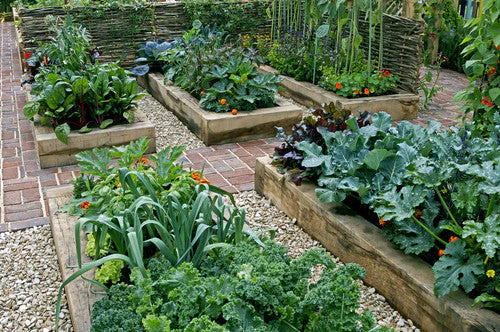
To avoid this, carefully research the mature size of each plant and follow recommended spacing. If you’re working with containers or raised beds, consider using square foot gardening techniques to plan your layout efficiently. Remember, fewer healthy plants will often outperform a crowded patch.
Neglecting Soil Quality and Drainage
Soil is the foundation of any successful garden, but it’s especially crucial in compact plots and containers. Many gardeners overlook the importance of high-quality, well-draining soil, leading to waterlogged roots or nutrient deficiencies. Using regular yard soil in pots or failing to refresh raised bed soil each season can result in poor plant performance.
Invest in a premium potting mix or amend your soil with compost and organic matter. Ensure containers have drainage holes, and consider adding a layer of gravel or broken pottery at the bottom to prevent soggy roots. Regularly test your soil’s pH and fertility, and replenish nutrients as needed throughout the growing season.
Ignoring Light Requirements in Compact Gardens
Sunlight is a critical factor for plant growth, and many small-space gardeners underestimate how much light their crops need. Shaded balconies, north-facing patios, or crowded urban environments can significantly reduce available sunlight. Placing sun-loving vegetables or flowers in low-light areas leads to leggy, weak plants and poor harvests.
Before planting, observe your space throughout the day to determine how many hours of direct sunlight it receives. Choose crops suited to your conditions—leafy greens and herbs often tolerate partial shade, while tomatoes and peppers require full sun. If natural light is limited, supplement with LED grow lights to ensure healthy development.
Poor Watering Practices and Overlooking Mulch
Water management is another area where mistakes are common. Containers and raised beds dry out faster than in-ground gardens, but overwatering can be just as damaging as neglect. Inconsistent watering stresses plants, causing blossom drop, root rot, or pest problems. Additionally, skipping mulch allows moisture to evaporate quickly and encourages weeds.
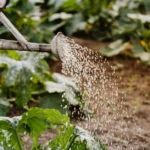
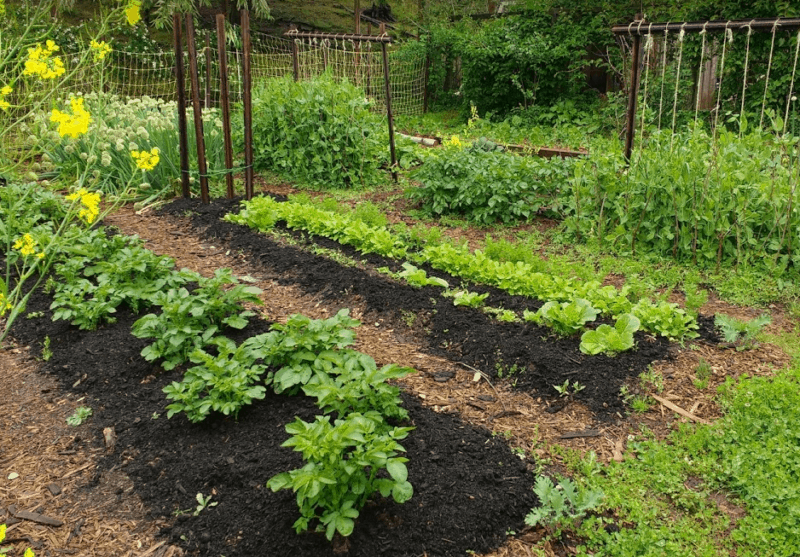
Check soil moisture regularly by inserting your finger an inch below the surface. Water deeply but less frequently to encourage strong root systems. Apply a layer of organic mulch, such as straw or shredded leaves, to retain moisture, regulate soil temperature, and suppress weeds. This simple step can make a significant difference in plant health and productivity.
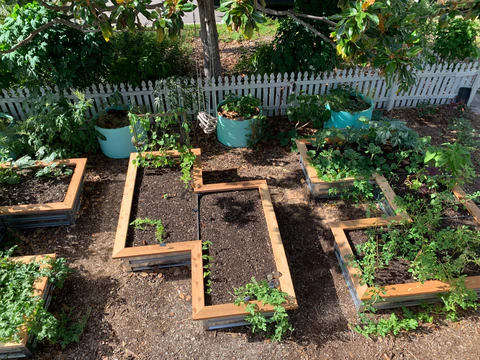
Forgetting to Rotate Crops and Refresh Soil
Even in small gardens, repeating the same crops in the same spot each year can lead to pest buildup and soil nutrient depletion. Many gardeners assume that limited space means crop rotation isn’t necessary, but this oversight can result in declining yields and increased disease pressure.
Plan a simple rotation, even if it’s just alternating between plant families each season. Refresh container or raised bed soil annually by mixing in compost or replacing a portion of the old mix. This practice helps maintain soil health and reduces the risk of recurring problems.
Overlooking Vertical and Multi-Use Solutions
Maximizing vertical space is essential in compact gardens, but it’s often underutilized. Relying solely on ground-level planting limits your harvest and makes maintenance more difficult. Trellises, hanging baskets, wall planters, and stacked pots can dramatically increase your growing area without taking up extra floor space.
Choose crops that thrive vertically, such as pole beans, cucumbers, peas, and some squash varieties. Incorporate multi-use furniture or structures, like benches with built-in planters, to combine function and productivity. For more inspiration on making the most of urban environments, see these tips for starting a rooftop garden safely.
Not Researching Plant Varieties Suited for Small Areas
Some plants are naturally better suited to confined spaces. Failing to select compact, dwarf, or bush varieties can result in oversized plants that quickly outgrow their containers or crowd out neighbors. Look for seeds and starts labeled as “patio,” “mini,” or “container-friendly.” These types are bred for smaller root systems and more manageable growth habits.
Researching and choosing the right varieties ensures your garden remains productive and visually appealing throughout the season. It also reduces maintenance and the need for constant pruning or thinning.
Skipping Regular Maintenance and Observation
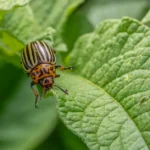
Small gardens require consistent attention. It’s easy to assume that a compact plot will take care of itself, but neglecting routine tasks can quickly lead to problems. Regularly check for pests, prune dead or diseased foliage, and monitor for signs of stress or nutrient deficiencies. Prompt action keeps issues from spreading and helps maintain a healthy, attractive space.
Setting aside a few minutes each day for observation and care makes a significant difference in the success of your garden. For those interested in other small-space homesteading skills, consider learning about urban beekeeping techniques or food preservation methods to complement your gardening efforts.
Additional Resources for Urban Homesteaders
If you’re looking to deepen your knowledge or expand your homesteading journey, there are excellent resources available. For a broader perspective on modern homesteading and how to adapt these principles to city life, listen to this introduction to modern homesteading podcast. You’ll find practical advice, inspiration, and community stories to help you succeed in any space.
Frequently Asked Questions
What are the most common mistakes in small-space gardening?
The most frequent errors include overcrowding plants, neglecting soil quality, ignoring light requirements, inconsistent watering, and failing to rotate crops. Addressing these issues helps ensure healthy, productive gardens even in limited areas.
How can I maximize yields in a compact garden?
Use vertical gardening techniques, choose compact or dwarf plant varieties, follow proper spacing, and maintain consistent care. Incorporating high-quality soil and regular feeding also boosts productivity.
Is it necessary to rotate crops in container gardens?
Yes, rotating crops and refreshing soil in containers or raised beds helps prevent pest buildup and nutrient depletion. Even small changes in plant families each season can make a significant difference in plant health.