Living in an apartment, condo, or a home with limited square footage doesn’t mean you have to give up on preserving your own food. In fact, small-space food preservation is more achievable than ever, thanks to a range of practical techniques and modern tools designed for compact living. Whether you grow a few herbs on your balcony or buy produce from the local market, there are effective ways to extend the shelf life of your harvest and reduce food waste.
This guide covers proven approaches for keeping fruits, vegetables, and herbs fresh—no matter how little room you have. You’ll find tips on storage, preservation, and even growing methods that maximize your available space. For those interested in expanding their skills, resources like small-space fermenting techniques can also offer creative solutions for your preservation needs.
Why Compact Food Storage Matters
Preserving food in tight quarters is about more than just saving space—it’s about making the most of what you have. With rising food costs and unpredictable supply chains, having a small stockpile of preserved goods can add security and convenience. Plus, it allows you to enjoy seasonal flavors year-round, even if you don’t have a traditional pantry or basement.
Many urban dwellers and micro-homesteaders are turning to small-space food preservation as a way to boost self-sufficiency. From shelf-stable snacks to frozen meals, these techniques help you stretch your grocery budget and reduce trips to the store.
Best Methods for Preserving Food in Limited Spaces
1. Freezing: The Easiest Entry Point
Freezing is one of the simplest ways to extend the life of fruits, vegetables, and even cooked meals. Most apartments and small homes have at least a small freezer compartment, making this method accessible to nearly everyone.
- Blanch and Freeze: Quickly blanch vegetables like green beans or broccoli before freezing to preserve color and nutrients.
- Portion Control: Use stackable containers or freezer bags to save space and thaw only what you need.
- Label Everything: Mark containers with the date and contents to avoid waste.
2. Dehydrating: Compact and Versatile
Dehydrating removes moisture from food, making it shelf-stable and lightweight. Modern dehydrators are available in countertop sizes, and some can even be tucked away in a cabinet when not in use.
- Herbs and Greens: Dry herbs, kale, or spinach for use in soups and seasonings.
- Fruit Leathers and Chips: Make healthy snacks that store flat in airtight containers.
- DIY Dehydrator: If you lack equipment, use your oven on low heat with the door slightly open.
3. Pickling and Fermenting for Small Spaces
Pickling and fermenting are ideal for those with limited storage. Jars can be kept in cupboards or on shelves, and the process doesn’t require much equipment. For a deeper dive, check out small-space fermenting techniques for beginners.
- Quick Pickles: Use vinegar, salt, and spices to pickle cucumbers, carrots, or onions in the refrigerator.
- Fermented Vegetables: Sauerkraut and kimchi can be made in small batches and stored in jars.
- Minimal Gear: All you need is a clean jar, salt, and your chosen produce.
4. Canning in Compact Kitchens
While traditional canning requires space and specialized tools, small-batch water bath canning is possible in even the tiniest kitchens. Use half-pint jars and a stockpot to preserve jams, salsas, and sauces.
- Choose Small Jars: They take up less space and are perfect for single servings.
- Stovetop Canning: A regular pot with a towel on the bottom can substitute for a canner.
- Store Safely: Keep canned goods in a cool, dark cabinet.
Creative Storage Solutions for Tiny Homes
Making the most of your available space is key to successful preservation. Consider these ideas to maximize storage:
- Vertical Shelving: Install shelves above counters or doors to store jars and containers.
- Under-Bed Storage: Use shallow bins for dry goods or dehydrated foods.
- Multi-Use Furniture: Ottomans and benches with storage compartments are perfect for stashing supplies.
Growing Your Own Food in Small Areas
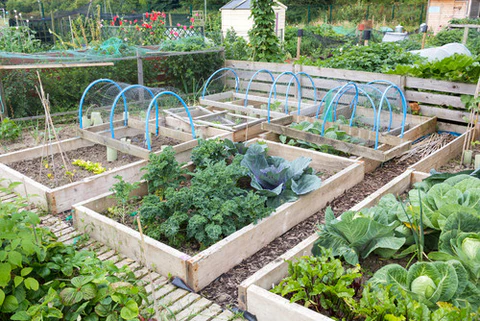
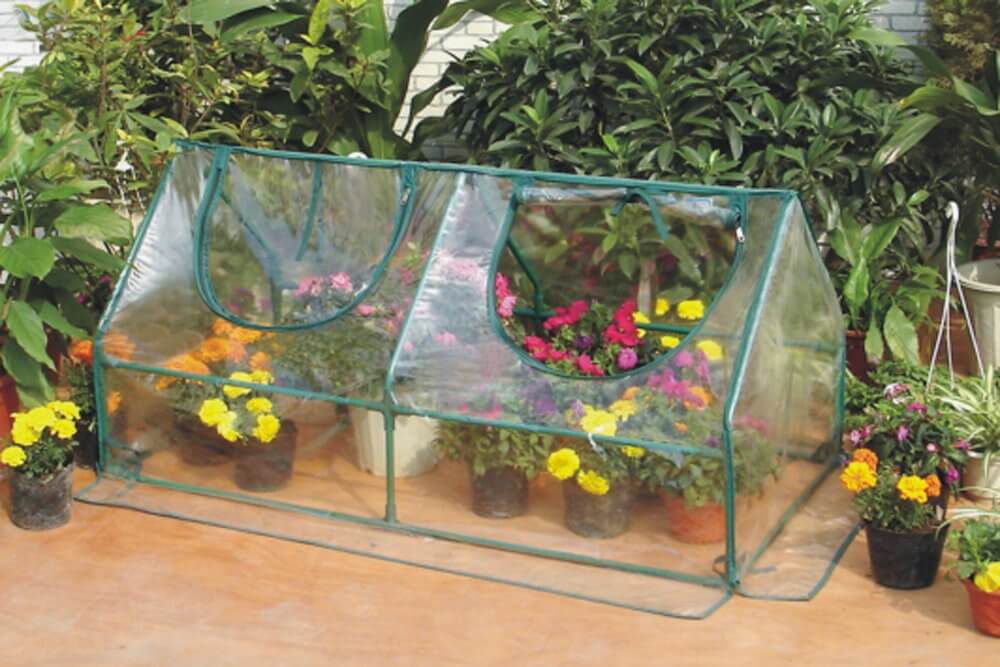
Even with limited outdoor access, you can grow ingredients for preservation. Container gardening, vertical planters, and compact hydroponic systems make it possible to harvest fresh produce year-round. For more on maximizing your growing area, see this guide on how to use container gardening.
Tips for Success With Small-Space Food Preservation
- Plan Ahead: Make a list of what you want to preserve and when it’s in season.
- Rotate Stock: Use older items first to avoid spoilage.
- Stay Organized: Group similar items together and keep an inventory.
- Start Small: Experiment with one method at a time to see what works best for your lifestyle.
Additional Resources for Urban Homesteaders
If you’re interested in expanding your self-reliance skills, there are many resources available. For ideas on raising animals or growing more food in compact settings, explore articles like how to raise rabbits in small spaces and small-space hydroponics. For broader inspiration, Mother Earth News homesteading guides offer a wealth of practical advice.
Frequently Asked Questions
What is the best way to preserve food if I have no freezer?
If freezer space is unavailable, consider dehydrating, pickling, or fermenting. These methods require minimal equipment and can be done in small batches. Dehydrated foods store well in airtight containers, while pickled and fermented items can be kept in jars in a cool, dark place.
Can I safely can food in an apartment kitchen?
Yes, small-batch water bath canning is safe for high-acid foods like jams, jellies, and pickles. Use half-pint jars and a large stockpot. Always follow tested recipes and safety guidelines to ensure your preserved foods are safe to eat.
How do I prevent spoilage in a small pantry?
Keep your pantry organized and rotate items regularly. Store preserved foods in airtight containers, label everything with dates, and check for signs of spoilage before use. Avoid storing food near heat sources or in direct sunlight.