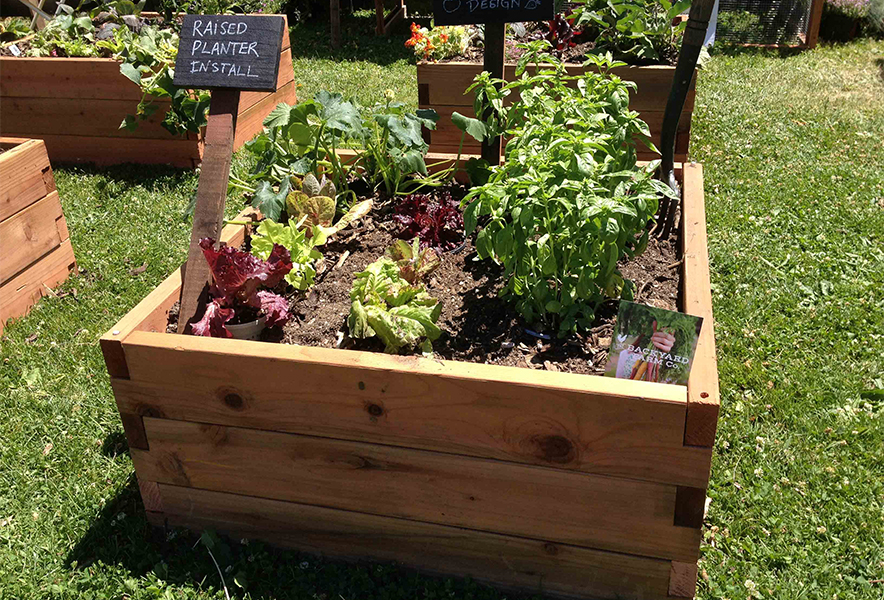
Urban homesteading is on the rise, with more people looking to cultivate self-sufficiency and sustainability—even in the heart of the city. One rewarding way to contribute to local food systems and support pollinators is by keeping bees, even when space is limited. With the right approach, city dwellers can enjoy fresh honey, beeswax, and the satisfaction of nurturing a healthy hive. This guide shares practical small-space beekeeping tips tailored for urban environments, helping you make the most of your balcony, rooftop, or compact backyard.
Before diving in, it’s helpful to explore other space-saving homesteading skills. For example, learning about small-space fermenting techniques can complement your beekeeping journey by expanding your homegrown food options.
Getting Started: Assessing Your Urban Beekeeping Space
The first step for aspiring city beekeepers is to evaluate available space. Whether you have a small patio, rooftop, or a modest backyard, it’s possible to keep bees if you plan carefully. Look for a spot that gets morning sun but is shielded from harsh afternoon heat. Ensure the area is away from high-traffic walkways and neighbors’ windows to minimize disturbances.
Check local ordinances and building regulations before setting up a hive. Many cities allow beekeeping but may have restrictions on hive numbers, placement, or require registration. Connecting with local beekeeping associations can provide guidance and help you stay compliant.
Choosing the Right Hive for Compact Areas
Not all hives are created equal, especially when space is at a premium. For urban homesteaders, consider these hive options:
- Top-bar hives: Compact and horizontal, these hives are easy to manage and require less lifting.
- Langstroth hives: The most common type, available in smaller “nuc” (nucleus) sizes for tight spaces.
- Vertical hives: Stackable and efficient, these are ideal for balconies or rooftops where floor space is limited.
Place your hive on a sturdy, level surface. Use stands or pallets to elevate the hive, protecting it from moisture and pests. If you’re interested in maximizing your growing area alongside your bees, you might also want to learn how to use container gardening to save space and support pollinators.
Essential Small-Space Beekeeping Tips for Success
Managing bees in a city setting comes with unique challenges and opportunities. Here are some proven strategies for thriving hives in limited areas:
- Strategic hive placement: Position hives so bees’ flight paths are directed upward and away from people. Use fences, trellises, or tall plants to guide bee traffic.
- Provide water sources: Bees need water for cooling and hive maintenance. Place shallow dishes with pebbles near the hive to prevent bees from seeking water at neighbors’ pools or birdbaths.
- Plant pollinator-friendly flowers: Boost forage by growing herbs, wildflowers, and flowering vegetables in containers or raised beds. This not only supports your bees but also enhances your urban garden.
- Practice discreet management: Schedule hive inspections during quiet times and use gentle handling to keep bees calm and minimize attention.
- Monitor for pests and diseases: Urban hives can be susceptible to mites and other issues. Regularly inspect for signs of trouble and act quickly if needed.
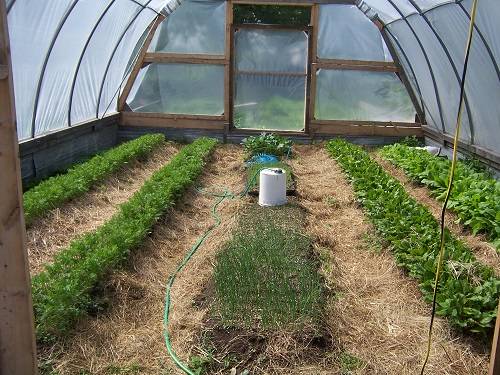
Urban Hive Maintenance: Keeping Bees Healthy in Tight Quarters
Regular maintenance is key for healthy bees, especially when working with limited space. Here’s how to keep your hive thriving:
- Inspect regularly: Check for brood health, queen activity, and adequate food stores. In small spaces, frequent but brief inspections are less disruptive.
- Control swarming: Urban hives can swarm if overcrowded. Split hives or add extra frames to give bees more room.
- Harvest honey wisely: Take only surplus honey, leaving enough for the bees to overwinter. Use compact extraction equipment to suit your space.
- Manage ventilation: Good airflow prevents moisture buildup and disease. Ensure entrances are clear and consider screened bottom boards.
If you’re interested in diversifying your urban homestead, you might also explore small-space hydroponics or small-space poultry keeping as complementary practices.
Integrating Bees with Other Urban Homesteading Practices
Bees are natural partners for many city gardening methods. Pairing your hive with container gardens, vertical planters, or raised beds enhances pollination and boosts yields for fruits, vegetables, and herbs. Consider using modular containers or fabric grow bags to maximize every inch of available space.
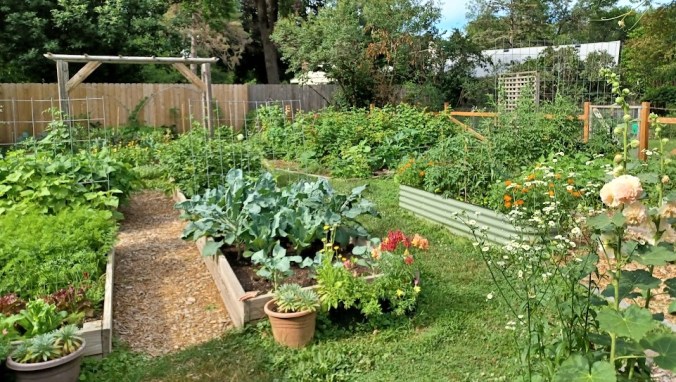
Bees also benefit from a diverse, pesticide-free environment. Avoid using chemical sprays on your plants, and opt for organic gardening methods whenever possible. This not only protects your hive but also supports a healthier urban ecosystem.
Legal and Community Considerations for Urban Apiaries
Building good relationships with neighbors is essential for successful city beekeeping. Inform those nearby about your plans, address concerns, and share the benefits of pollinators. Offering a jar of honey or a garden tour can go a long way in fostering goodwill.
Stay informed about local regulations. Many municipalities have specific guidelines for hive placement, fencing, and registration. For a broader understanding of the homesteading movement and its principles, visit this comprehensive overview of homesteading.
Common Challenges and Solutions for City Beekeepers
Urban beekeepers may encounter unique obstacles, but most can be managed with preparation:
- Limited forage: Supplement with pollinator plants and encourage neighbors to plant bee-friendly flowers.
- Hive theft or vandalism: Secure hives with locks or fencing, and keep them out of direct view when possible.
- Noise and vibration: Place hives on stable surfaces and away from HVAC units or busy streets.
- Swarming concerns: Monitor hive population and split colonies as needed to prevent swarms in densely populated areas.
For those interested in expanding their urban homesteading skills, consider learning how to raise rabbits in small spaces for another compact and productive addition to your city homestead.
Frequently Asked Questions
What is the minimum space needed to keep bees in the city?
Most urban beekeepers can successfully maintain a hive in as little as 10–15 square feet, provided the area is well-ventilated, receives morning sun, and is away from heavy foot traffic. Rooftops, balconies, and small yards can all work with thoughtful planning.
How can I keep my bees from bothering neighbors?
Direct bee flight paths upward using barriers like fences or tall plants, and provide water sources close to the hive. Regularly communicate with neighbors and address any concerns proactively to maintain positive relationships.
Are there specific hive types recommended for small urban spaces?
Yes, compact options like top-bar hives, nucleus (nuc) Langstroth hives, and vertical stackable hives are well-suited for limited areas. Choose a design that fits your available space and is easy to manage.
How do I ensure my bees have enough food in a city environment?
Plant a variety of pollinator-friendly flowers, herbs, and vegetables in containers or raised beds. Encourage neighbors to do the same, and avoid using pesticides that could harm your hive.
Conclusion
With careful planning and the right small-space beekeeping tips, urban homesteaders can enjoy the many benefits of keeping bees—even in the smallest of spaces. By choosing suitable hives, maintaining good neighbor relations, and integrating pollinator-friendly plants, you’ll help support both your own household and the broader urban ecosystem.