Preserving your own harvest or store-bought produce is possible even if you live in an apartment, tiny home, or have limited kitchen facilities. Learning how to can food in small spaces opens up new ways to enjoy homegrown flavors year-round, reduce food waste, and gain more control over what goes into your pantry. With a few adjustments and the right tools, you can safely and efficiently can fruits, vegetables, and more—no full kitchen required.
This article breaks down the essentials for canning in compact environments, from choosing the best equipment to creative storage solutions. If you’re also interested in maximizing your gardening efforts, check out our guide on how to use container gardening for even more space-saving tips.
Why Try Preserving Food Without a Full Kitchen?
Many people assume that home canning requires a spacious kitchen, but that’s not the case. Urban dwellers, renters, and those living in tiny homes or RVs can all benefit from learning how to can food in small spaces. The main reasons to pursue this skill include:
- Reducing food waste by preserving excess produce or bulk purchases
- Saving money by taking advantage of seasonal sales or homegrown harvests
- Controlling ingredients for healthier, additive-free meals
- Building food security with shelf-stable meals and snacks
Even if you only have a countertop, a portable burner, or a small sink, you can still enjoy the benefits of home canning.
Essential Equipment for Compact Canning Setups
The key to successful food preservation in tight quarters is choosing the right gear. You don’t need a full-size stove or industrial canner. Instead, focus on compact, multi-use, or portable tools that fit your space and needs.
- Small-batch water bath canner: Look for 4- to 8-quart models that fit on a single burner or induction plate.
- Pressure canner (if needed): Consider electric or stovetop models designed for small spaces.
- Portable induction or electric burner: Useful if you lack a full stove.
- Basic canning kit: Jar lifter, funnel, bubble remover, and magnetic lid lifter.
- Jars and lids: Opt for half-pint or pint jars to maximize storage and fit more in your canner.
- Collapsible drying rack: For draining and cooling jars without taking up counter space.
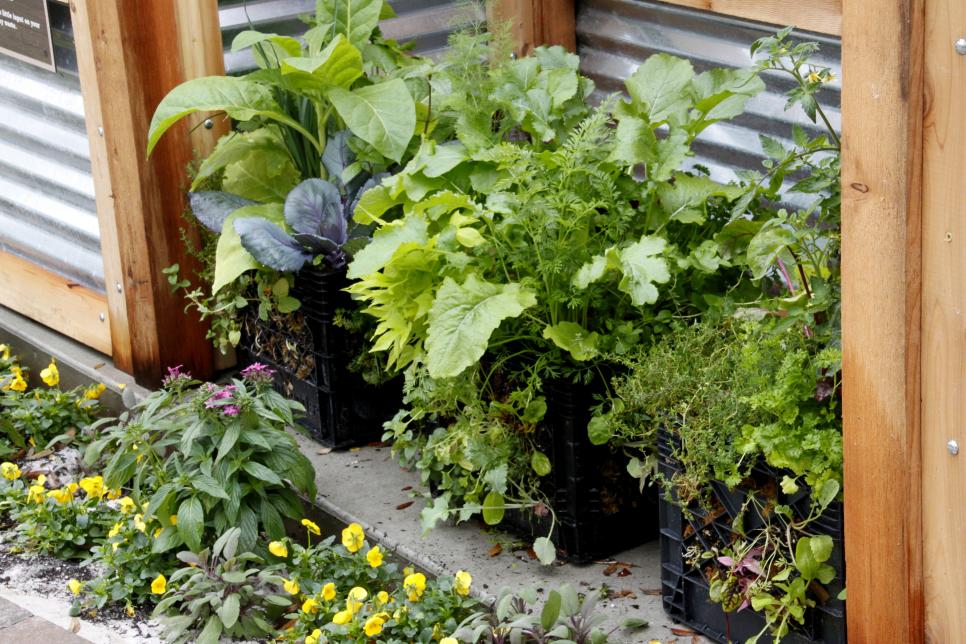
If you’re growing your own produce, container gardening is a perfect match for small-space canning. For more on this, see our advice on small-space hydroponics for year-round growing options.
Step-by-Step: Canning in a Limited Area
Once you have the right equipment, follow these steps to safely can food even with minimal space:
- Plan your workspace: Clear and sanitize a section of counter, table, or even a sturdy cart. Lay out all tools and ingredients within easy reach.
- Prep your produce: Wash, peel, chop, or blanch fruits and vegetables as needed. Use a small colander or bowl to save space.
- Sterilize jars and lids: Boil jars in your canner or use a dishwasher if available. Keep lids warm but not boiling.
- Fill jars: Use a funnel to minimize spills. Leave recommended headspace for each recipe.
- Process jars: Place filled jars in your water bath or pressure canner. Follow recipe times and adjust for altitude if needed.
- Cool and store: Let jars cool on a rack or towel. Once sealed, label and store in a cool, dark spot.
Remember, always follow tested recipes from trusted sources to ensure food safety. For those new to homesteading or looking for more tips, this beginner’s guide to starting a homestead covers foundational skills and resources.
Creative Storage Solutions for Small-Space Canners
Storing your preserved goods can be just as challenging as making them in a small area. Here are some practical ideas:
- Under-bed storage bins: Perfect for jars that need to be kept cool and dark.
- Stackable shelves: Use vertical space in closets or pantries.
- Overhead racks or hanging baskets: Great for lightweight items and freeing up counter space.
- Repurposed furniture: Old bookshelves or cabinets can become a dedicated canning pantry.
If you’re also raising small livestock or want to diversify your self-sufficiency skills, our resource on how to manage backyard bees offers more ways to make the most of limited space.
Tips for Safe and Efficient Food Preservation in Tight Quarters
When working in a compact area, safety and organization are especially important. Here are some best practices for canning in a small space:
- Ventilation: If possible, open a window or use a fan to prevent steam buildup during processing.
- Batch processing: Work in small batches to avoid clutter and reduce the risk of accidents.
- Clean as you go: Wipe down surfaces and wash utensils immediately after use to keep your workspace manageable.
- Label everything: Mark jars with contents and date to ensure safe rotation and consumption.
- Follow tested recipes: Never improvise with canning times or ingredients—food safety is critical.
Expanding Your Self-Sufficiency Beyond Canning
Mastering how to can food in small spaces is just one step toward a more self-reliant lifestyle. Consider exploring related skills such as:
- Growing food indoors or on balconies using containers or hydroponics
- Raising small animals like rabbits or chickens in compact environments
- Making fermented foods or dehydrating produce for additional preservation options
For more inspiration, see our articles on small-space poultry keeping and how to raise rabbits in small spaces.
Frequently Asked Questions
Can I safely can food on a portable burner or hot plate?
Yes, you can use a portable burner or induction plate for water bath canning and, in some cases, pressure canning. Make sure your burner can support the weight of the canner and maintain a steady temperature. Always follow manufacturer guidelines for both the burner and canner.
What types of food are best for small-batch canning?
High-acid foods like jams, jellies, pickles, tomatoes, and fruit preserves are ideal for small-batch canning. These require less processing time and are safer for beginners. Low-acid foods (like meats and most vegetables) require a pressure canner and more careful handling.
How do I store canned goods if I don’t have a pantry?
Use creative solutions such as under-bed bins, closet shelves, or repurposed furniture. The most important factors are keeping jars in a cool, dark, and dry place to maintain quality and safety.
Is it possible to grow enough produce for canning in a small space?
Absolutely. With container gardening, vertical planters, and hydroponic systems, you can grow a surprising amount of fruits and vegetables in limited areas. For more on maximizing your harvest, see our article on using container gardening to save space.