Learning to ferment foods at home is a rewarding way to preserve harvests, boost nutrition, and add delicious flavors to your meals. For those living in apartments, tiny homes, or urban settings, making the most of limited space is essential. Fortunately, small-space fermenting techniques allow anyone to enjoy homemade sauerkraut, pickles, kimchi, and more—no sprawling kitchen or cellar required.
This guide covers practical methods, essential tools, and helpful tips for getting started with fermentation in compact environments. Whether you’re a city dweller or simply want to maximize your countertop, you’ll find solutions tailored to tight quarters. For those interested in other space-saving homesteading skills, check out our resource on how to use container gardening to grow more with less.
Why Choose Compact Fermentation Methods?
Traditional fermentation setups can require large crocks, cellars, or dedicated pantries. However, modern approaches and clever equipment make it possible to ferment even in the smallest kitchens. The benefits of using small-space fermenting techniques include:
- Efficiency: Use vertical storage, stackable jars, and multi-purpose tools to save room.
- Accessibility: Keep your ferments within arm’s reach for easy monitoring.
- Flexibility: Start with small batches and experiment with a variety of recipes.
- Reduced Waste: Preserve surplus produce and avoid spoilage, even if you have a tiny harvest.
These strategies are especially useful for those exploring small-space hydroponics or other urban gardening methods, where every inch counts.
Essential Tools for Fermenting in Tight Spaces
You don’t need a lot of specialized equipment to get started. The following items are ideal for compact fermentation projects:
- Mason Jars: Quart or pint-sized jars are perfect for small batches and stack neatly in cupboards.
- Fermentation Weights: These keep vegetables submerged and fit easily inside jars.
- Airlock Lids: Special lids allow gases to escape without letting contaminants in, reducing odor and mess.
- Mini Crocks or Ceramic Bowls: For slightly larger batches, choose containers that fit on a shelf or in the fridge.
- Measuring Spoons and Scales: Accurate measurements are crucial for successful brining and consistency.
Many of these tools can be repurposed for other kitchen tasks, making them a smart investment for anyone with limited storage.
Step-by-Step Guide to Fermenting in Small Spaces
Adapting fermentation to a compact home is straightforward with a few adjustments. Here’s how to begin:
- Choose Your Recipe: Start with simple ferments like sauerkraut, pickled carrots, or kimchi. These require minimal ingredients and equipment.
- Prep Your Ingredients: Wash and chop vegetables, then measure salt or brine according to your recipe.
- Pack the Jar: Tightly fill your jar with vegetables, leaving about an inch of headspace. Add fermentation weights to keep everything submerged.
- Seal and Store: Secure the lid (airlock or loose-fitting) and place the jar in a cool, dark spot—such as a cupboard or corner of your countertop.
- Monitor Progress: Check daily for bubbles, color changes, and taste. Most ferments are ready within 5–14 days, depending on temperature and preference.
- Refrigerate: Once you’re happy with the flavor, move the jar to the fridge to slow fermentation and preserve freshness.
For more inspiration on maximizing small homesteads, see our article on small-space poultry keeping.
Creative Storage Solutions for Tiny Kitchens
One of the biggest challenges with fermenting in limited areas is finding space for jars and supplies. Here are some practical ideas:
- Vertical Racks: Use tiered shelves or wall-mounted racks to store jars safely and accessibly.
- Under-Cabinet Hooks: Hang utensils, weights, and small tools to free up drawer space.
- Multi-Use Containers: Choose jars that double as drinking glasses or food storage when not fermenting.
- Stackable Bins: Organize ingredients and finished ferments in labeled bins that fit neatly in cupboards or the fridge.
These solutions help keep your kitchen tidy and make it easier to maintain a regular fermenting routine.
Best Ingredients for Small-Batch Fermentation
When working with small-space fermenting techniques, it’s smart to focus on ingredients that are easy to source, store, and process. Some top choices include:
- Cabbage: The classic base for sauerkraut and kimchi, available year-round and easy to shred.
- Carrots and Radishes: Crunchy, colorful, and quick to ferment in small jars.
- Green Beans: Perfect for pickling and fit well in pint-sized containers.
- Garlic and Onions: Add flavor and ferment quickly in small batches.
- Herbs and Spices: Fresh dill, coriander, and chili flakes enhance flavor without taking up much space.
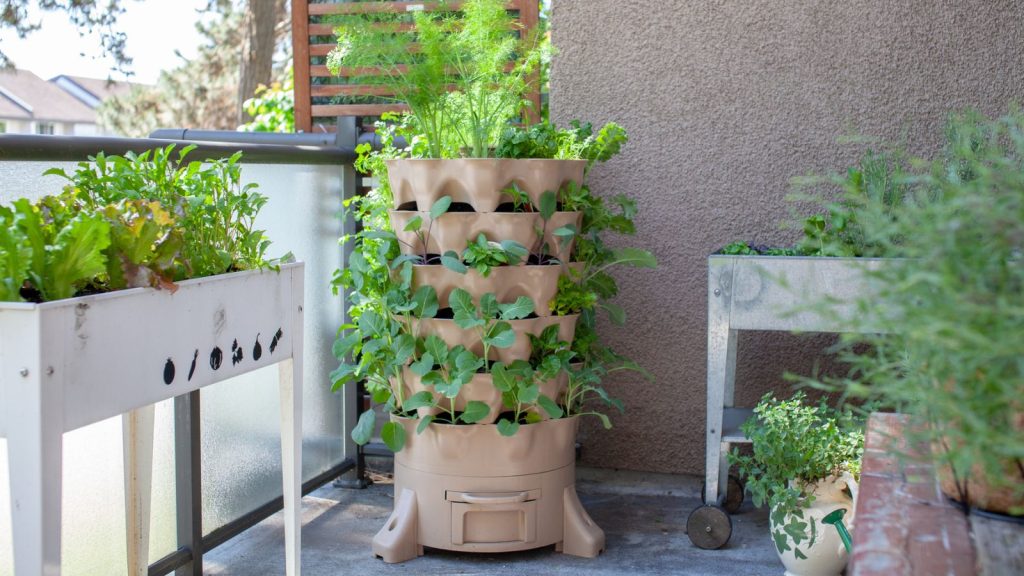
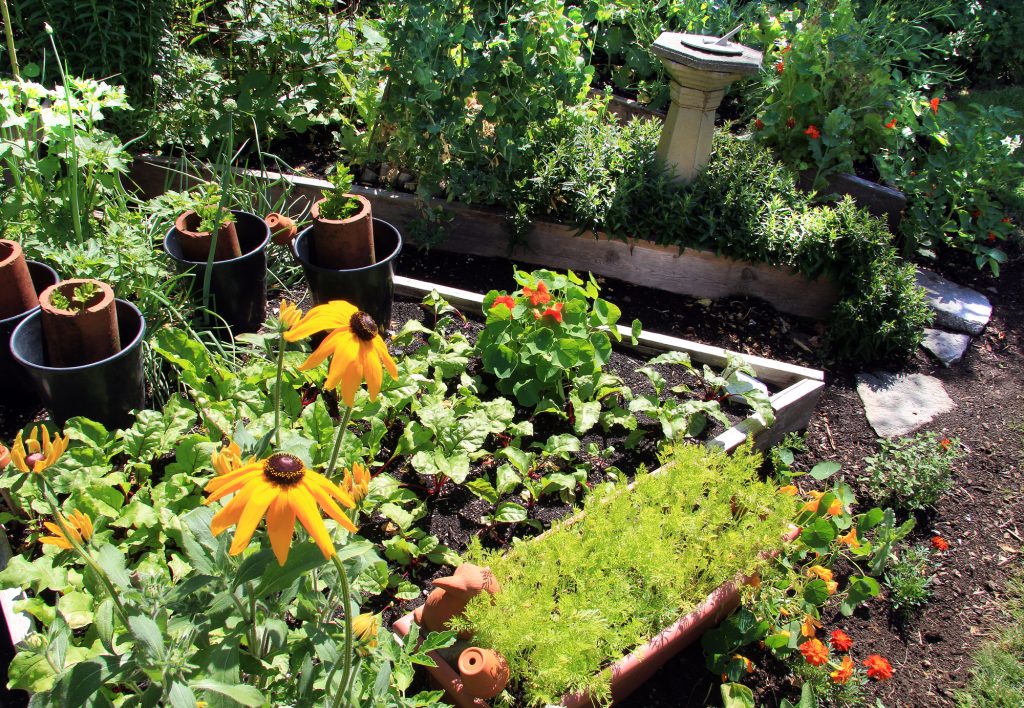
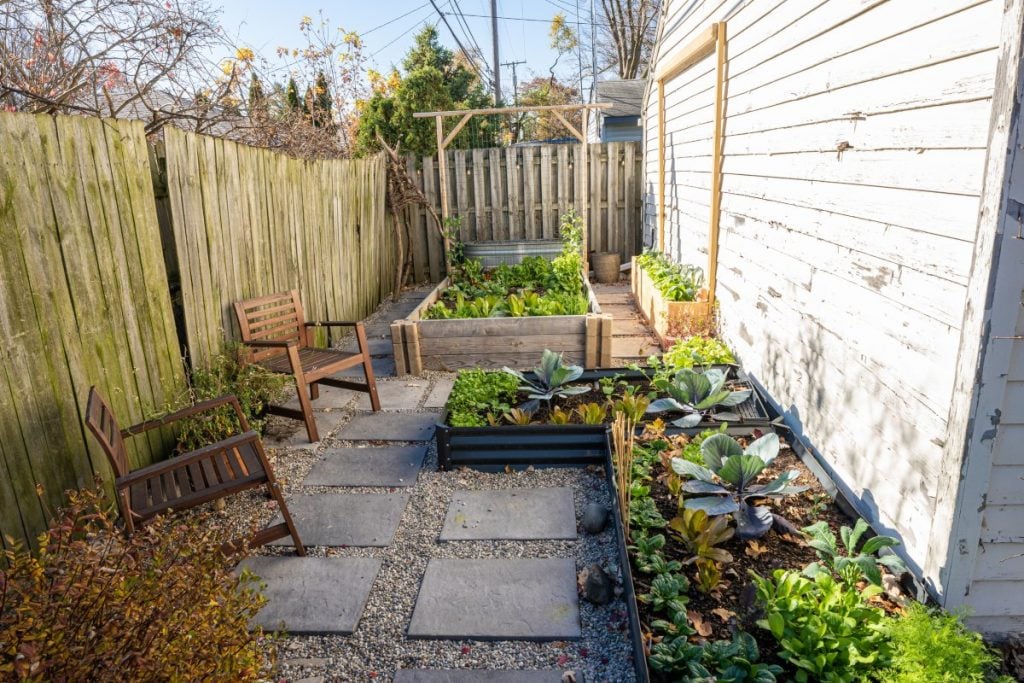
If you grow your own produce, container gardening is a fantastic way to supply your fermenting projects. Explore our tips on how to use container gardening for more ideas.
Safety and Troubleshooting for Urban Fermenters
Safe fermentation is all about cleanliness and observation. Here’s how to avoid common pitfalls in small environments:
- Cleanliness: Wash hands, jars, and tools thoroughly before use.
- Proper Submersion: Always keep vegetables below the brine to prevent mold.
- Monitor Temperature: Most ferments do best between 60–75°F (16–24°C). Avoid direct sunlight or hot appliances.
- Watch for Signs of Spoilage: Discard any batch that develops fuzzy mold, slimy textures, or foul odors.
If you’re new to homesteading or want to learn more about its history and culture, explore the history of homesteading for additional context and inspiration.
Expanding Your Homestead Skills in Small Areas
Once you’re comfortable with fermenting in compact spaces, consider adding other sustainable practices to your routine. Keeping bees, raising rabbits, or even growing microgreens can all be adapted for urban or small-scale living. For example, our guide on how to manage backyard bees offers practical advice for integrating pollinators into your homestead, no matter the size.
The key is to start small, stay organized, and build skills gradually. With each new project, you’ll gain confidence and enjoy the satisfaction of producing your own food—even in the most limited spaces.
Frequently Asked Questions
What are the best jars for fermenting in small kitchens?
Mason jars in pint or quart sizes are ideal. They’re easy to clean, stackable, and fit well in cupboards or on shelves. Look for jars with wide mouths for easier packing and cleaning.
How do I prevent odors from fermenting foods in my apartment?
Use airlock lids or fermentation caps designed to let gases escape while keeping smells contained. Storing jars in a cupboard or using a small fan for ventilation can also help minimize odors.
Can I ferment more than one type of food at a time in a small space?
Absolutely. As long as you have enough jars and each batch is properly sealed, you can ferment several recipes simultaneously. Just keep jars labeled and spaced apart to avoid cross-contamination.