Creating a lush, productive garden doesn’t require a sprawling backyard. With the right approach, even the smallest balcony, patio, or sunny windowsill can become a thriving green oasis. Whether you’re aiming to grow fresh herbs, vibrant flowers, or a few vegetables, learning how to start a small-space garden can help you maximize every inch of available space. This guide walks you through each stage, from planning and setup to ongoing care, so you can enjoy the rewards of homegrown plants—no matter where you live.
If you’re interested in broader strategies for making the most of limited living areas, you might also find these small-space homesteading tips helpful as you plan your gardening journey.
Assessing Your Space and Light
The first step to a successful compact garden is understanding your available space and the amount of sunlight it receives. Take note of the following:
- Measure your area: Whether it’s a balcony, windowsill, or patio, knowing the exact dimensions helps you select appropriately sized containers and plants.
- Observe sunlight: Track how many hours of direct sunlight your space gets per day. Most edible plants need at least 6 hours of sun, while shade-tolerant varieties can thrive with less.
- Consider microclimates: Walls, fences, and overhangs can create warmer or cooler spots. Use these to your advantage when placing heat-loving or shade-preferring plants.
Choosing the Right Containers and Materials
Selecting suitable containers is essential for maximizing growth in limited areas. Here’s what to keep in mind:
- Container size: Larger pots retain moisture better and allow roots to spread, but smaller containers are easier to move and rearrange.
- Material: Options include plastic, ceramic, metal, and fabric grow bags. Each has pros and cons for weight, insulation, and drainage.
- Drainage: Ensure every pot has drainage holes to prevent waterlogging and root rot.
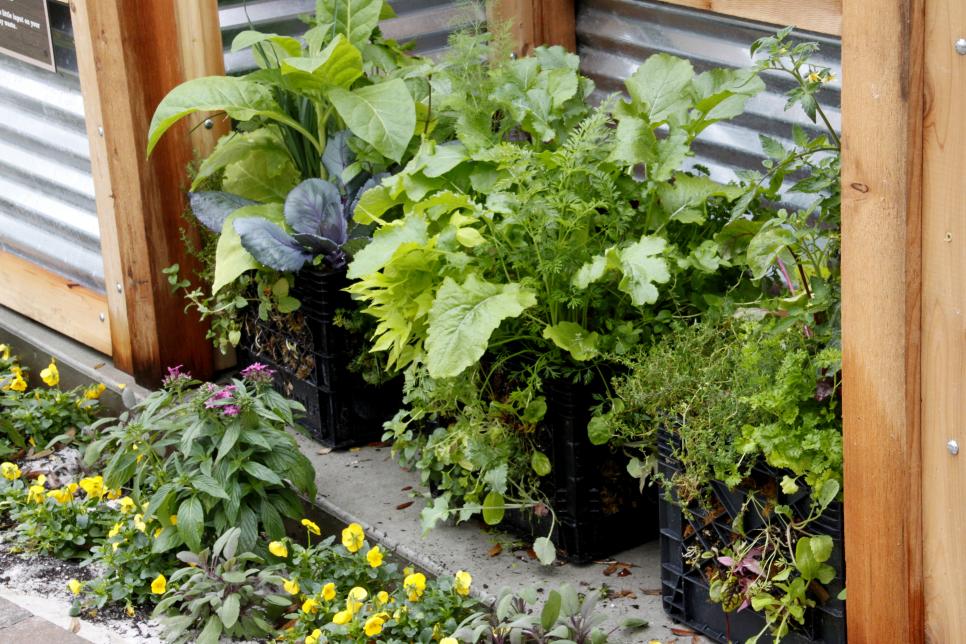
For those looking to get started quickly, consider using raised beds or fabric grow bags. These options are lightweight, portable, and ideal for renters or anyone with changing space needs.
Picking Plants for Limited Spaces
Not all plants are equally suited to compact environments. When deciding what to grow, focus on varieties that thrive in containers and offer high yields per square foot. Some excellent choices include:
- Herbs: Basil, parsley, cilantro, mint, and chives are compact and productive.
- Leafy greens: Lettuce, spinach, arugula, and kale grow quickly and can be harvested repeatedly.
- Compact vegetables: Cherry tomatoes, peppers, radishes, and bush beans are ideal for pots.
- Dwarf or patio varieties: Look for seeds or seedlings labeled as “dwarf,” “mini,” or “patio” for best results in small containers.
If you’re interested in a broader overview of this lifestyle, what is small-space homesteading offers a beginner’s perspective on making the most of your living area.
Soil, Fertilizer, and Watering Tips
Healthy plants start with quality soil. Use a high-quality potting mix designed for containers, as garden soil can be too dense and may not drain well. For best results:
- Mix in compost: Adding compost improves soil fertility and structure.
- Fertilize regularly: Container plants need more frequent feeding, as nutrients wash out with watering. Use a balanced, slow-release fertilizer or liquid feed every few weeks.
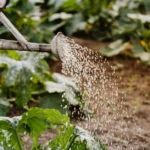
- Water consistently: Small pots dry out quickly. Check soil moisture daily and water when the top inch feels dry.
Arranging and Maximizing Your Growing Area
Making the most of a limited footprint is all about smart arrangement. Here are some strategies:
- Vertical gardening: Use shelves, wall planters, or trellises to grow upward and save floor space.
- Hanging baskets: Suspend planters from railings or hooks to add more growing room.
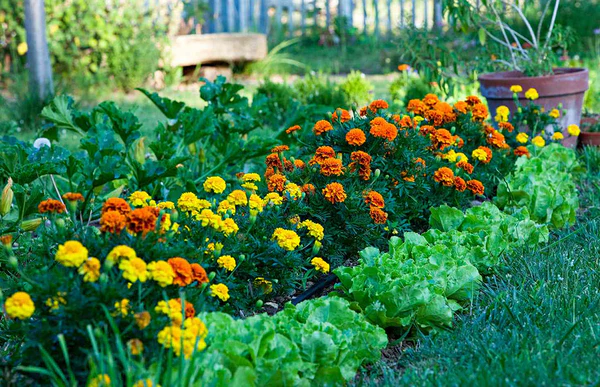
- Interplanting: Combine fast-growing crops like lettuce with slower ones like peppers to maximize harvests.
- Moveable containers: Place pots on wheeled stands to chase the sun or bring plants indoors during bad weather.

Maintaining Your Miniature Garden
Consistent care is the secret to a flourishing small-scale plot. Here’s how to keep your plants healthy:
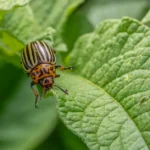
- Monitor for pests: Check leaves regularly for signs of insects or disease. Use organic controls or eco friendly pest prevention in homes to address issues early.
- Prune and harvest: Regularly pinch back herbs and harvest leafy greens to encourage new growth and prevent overcrowding.
- Rotate crops: If you grow year-round, change plant types each season to prevent soil depletion and reduce pest buildup.
Lighting Solutions for Indoor and Shady Spaces
If your gardening area receives limited sunlight, supplementing with artificial lights can make a big difference. LED grow lights are energy-efficient and provide the full spectrum of light needed for plant growth. Position lights 6–12 inches above your plants and set them on a timer for 12–16 hours per day, depending on the crop.
For more inspiration on living resourcefully in tight quarters, explore the benefits of small-space homesteading and see how others have transformed their homes and routines.
Expanding Your Skills and Knowledge
As you gain experience, experiment with new crops, container arrangements, and gardening techniques. Community gardens, online forums, and local workshops can provide valuable support and ideas. If you’re curious about the broader lifestyle, how to start small-space homesteading offers a comprehensive look at building a self-sufficient home, even with limited space.
For those interested in the philosophy and lifestyle behind growing your own food, explore the homesteading life for more insights and practical tips.
Frequently Asked Questions
What are the easiest vegetables to grow in a small-space garden?
Leafy greens like lettuce and spinach, herbs such as basil and chives, and compact vegetables like cherry tomatoes and radishes are all excellent choices for beginners. These plants adapt well to containers and produce quick, reliable harvests.
How often should I water my container plants?
Container gardens typically require more frequent watering than in-ground beds. Check the soil daily, especially in hot weather. Water when the top inch feels dry, ensuring excess moisture can drain freely from the bottom of the pot.
Can I grow a productive garden indoors?
Yes, many herbs, greens, and even some vegetables can thrive indoors with adequate light. Place containers near south-facing windows or use LED grow lights to provide the necessary light for healthy growth.
What’s the best way to prevent pests in small gardens?
Regularly inspect your plants for signs of trouble. Remove affected leaves, use organic pest controls, and encourage beneficial insects. Practicing good hygiene and rotating crops can also help minimize pest problems.