Embracing a homesteading lifestyle doesn’t require acres of land or a rural address. In recent years, more people have discovered that even with limited outdoor space, it’s possible to cultivate a productive, sustainable, and rewarding home environment. Whether you have a small backyard, a patio, or just a sunny balcony, you can enjoy many benefits of small-space homesteading—from growing your own food to reducing your environmental impact.
This guide explores the practical advantages of compact homesteading, offers actionable tips, and highlights how small changes can lead to a more self-sufficient and eco-friendly lifestyle. If you’re interested in making your daily routine more sustainable, you might also find inspiration in how to live a greener life.
Why Choose a Compact Homestead?
Many urban and suburban dwellers are turning to small-scale homesteading to take control of their food supply, reduce waste, and reconnect with nature. Even if you only have a few square feet to work with, you can still reap significant rewards. Let’s look at some of the core reasons people are drawn to this approach.
Key Advantages of Homesteading in Limited Spaces
The benefits of small-space homesteading go beyond simply saving money or growing a few herbs. Here are some of the most impactful advantages:
1. Increased Food Security and Freshness
Growing your own fruits, vegetables, and herbs—even in containers or raised beds—means you have direct access to fresh, healthy produce. This reduces reliance on grocery stores and helps ensure you know exactly how your food is grown.

With just a few containers or a small raised bed, you can grow salad greens, tomatoes, peppers, or even strawberries. This not only improves the quality and taste of your meals but also reduces your carbon footprint by cutting down on transportation and packaging waste.
2. Lower Environmental Impact
Compact homesteading encourages resourcefulness. By composting kitchen scraps, collecting rainwater, and using organic gardening methods, you can significantly reduce household waste and chemical use. Many people who adopt this lifestyle also explore sustainable homesteading lifestyle practices, further minimizing their ecological footprint.
Small gardens often require less water and fertilizer, and they’re easier to manage without synthetic pesticides. This makes it simpler to maintain eco-friendly routines and protect local pollinators.
3. Cost Savings and Budget Control
While there may be some initial investment in containers or soil, the long-term savings can be substantial. Homegrown produce is typically less expensive than store-bought, especially for organic varieties. You can also reuse materials—like old buckets or repurposed wood—to create garden beds or planters, keeping costs low.
Maximizing Productivity in Small Areas
Making the most of limited space requires some creativity and planning. Here are a few strategies to help you get started:
- Vertical gardening: Use trellises, shelves, or wall-mounted planters to grow upwards and save ground space.
- Succession planting: Stagger your planting times so you can harvest multiple crops from the same area throughout the season.
- Companion planting: Pair compatible plants together to maximize yields and deter pests naturally.
- Container gardening: Grow herbs, greens, and even root vegetables in pots or fabric grow bags, which can be moved to optimize sunlight.
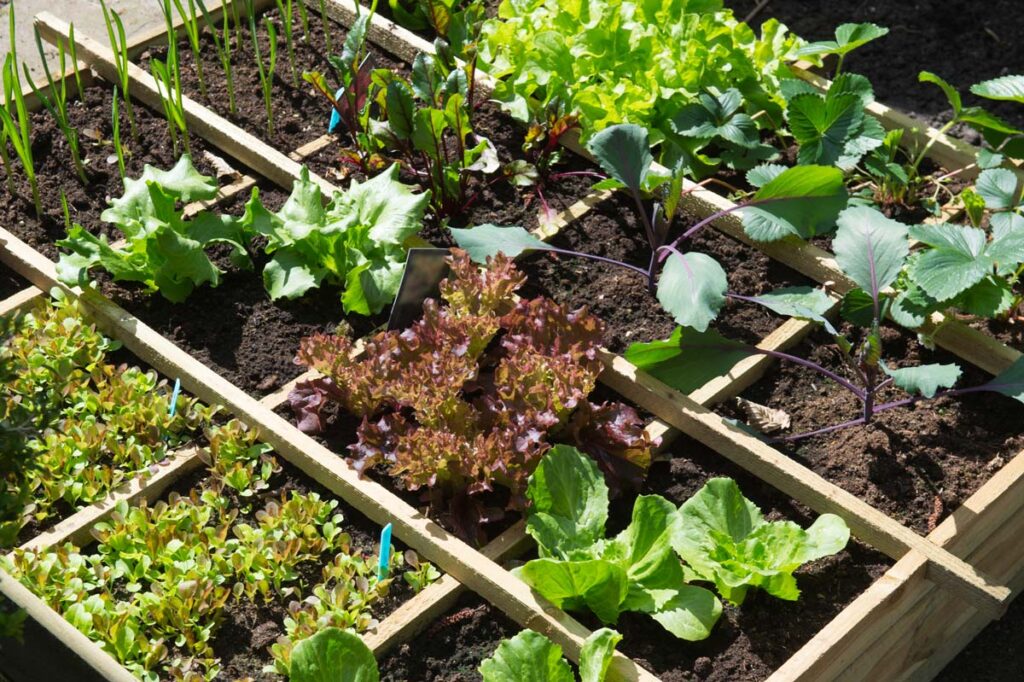
For more inspiration on what’s possible in a limited area, check out this comprehensive overview of small homestead possibilities.
Personal Well-Being and Community Connection
The rewards of a compact homestead aren’t just practical—they’re also deeply personal. Tending a small garden, raising a few chickens, or making homemade preserves can be a source of pride and relaxation. Many people find that these activities help reduce stress and foster a sense of accomplishment.
Sharing extra produce or gardening tips with neighbors can also build stronger community ties. Small-space homesteaders often inspire others to try their hand at growing food or adopting practical eco friendly routines.
Overcoming Common Challenges
Working with a limited footprint does present some obstacles, but most can be managed with planning and creativity:
- Sunlight: Observe your space throughout the day to find the sunniest spots. Use reflective materials or movable containers to maximize light exposure.
- Pests: Use natural deterrents and encourage beneficial insects. For more tips, see these ideas for eco friendly pest prevention in homes.
- Space limitations: Prioritize high-yield crops and consider dwarf or compact plant varieties.
- Time management: Start small and expand as you gain confidence. Even a few minutes a day can make a difference.
Designing Your Own Small Homestead
Every space is unique, so take time to assess your available area, sunlight, and water access. Sketch out a plan for your garden beds, containers, or vertical structures. If you’re interested in creative layouts, you might enjoy exploring modern eco homestead design ideas.
Remember, the goal isn’t perfection—it’s progress. Start with a few plants or a single project, and build on your successes over time.
Frequently Asked Questions
What can I grow in a small homestead space?
Many vegetables, herbs, and even some fruits thrive in containers or compact beds. Leafy greens, tomatoes, peppers, radishes, carrots, strawberries, and culinary herbs are all excellent choices for limited areas.
How do I get started with small-space homesteading?
Begin by assessing your available space and sunlight. Choose a few easy-to-grow crops, gather basic supplies like containers or soil, and start small. As you gain experience, you can expand your garden or try new projects like composting or rainwater collection.
Is small-space homesteading really sustainable?
Absolutely. Even a modest garden can reduce your reliance on store-bought produce, lower your carbon footprint, and encourage more mindful consumption. By adopting organic practices and minimizing waste, you can make a positive impact on your household and the environment.