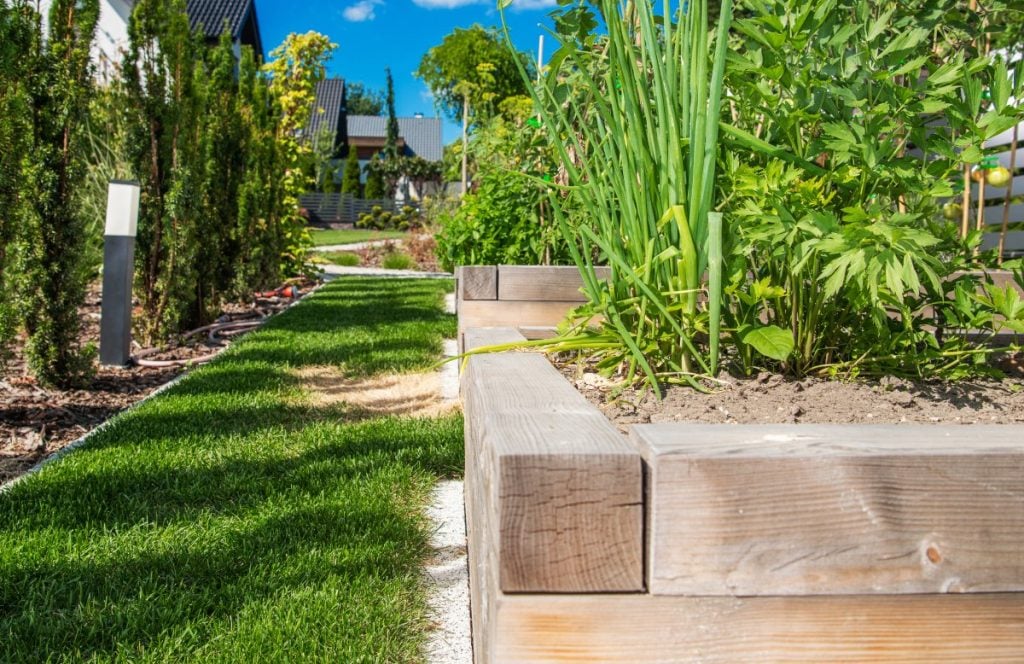
The idea of cultivating a more self-reliant and sustainable lifestyle is appealing to many, but not everyone has access to sprawling acreage or rural land. Fortunately, small-space homesteading makes it possible to embrace homesteading principles even in urban apartments, suburban backyards, or compact patios. This approach focuses on maximizing productivity and sustainability within limited square footage, allowing anyone to grow food, reduce waste, and live more intentionally—no matter where they call home.
Whether you’re looking to grow your own vegetables on a balcony, raise a few chickens in a city yard, or simply make greener choices in daily life, this guide will help you understand the essentials of small-space homesteading and how to get started. For those interested in broader eco-friendly routines, you might also enjoy exploring how to live a greener life for more practical tips.
Understanding the Basics of Small-Space Homesteading
At its core, small-space homesteading is about applying traditional homesteading values—such as self-sufficiency, sustainability, and resourcefulness—to compact living environments. Unlike large-scale homesteads, this approach adapts to the constraints of city apartments, townhouses, or small suburban lots. The focus is on making the most of every available inch, whether it’s a windowsill herb garden or a vertical vegetable patch on a balcony.
The movement is growing in popularity as more people seek ways to eat healthier, reduce their environmental footprint, and reconnect with the process of producing their own food. Even with limited space, it’s possible to grow a surprising amount of produce, compost kitchen scraps, and adopt eco-friendly habits that benefit both your household and the planet.
Key Principles for Urban and Suburban Homesteaders
Embracing a small-scale homesteading lifestyle involves a shift in mindset and a willingness to experiment. Here are some guiding principles to help you get started:
- Start Small: Focus on a few manageable projects, such as growing herbs or leafy greens, before expanding to more ambitious endeavors.
- Maximize Vertical Space: Use shelves, trellises, and hanging planters to increase your growing area without taking up valuable floor space.
- Choose Multi-Use Tools: Select containers, tools, and supplies that serve more than one purpose to save space and money.
- Compost Creatively: Even a small worm bin or countertop composter can help reduce waste and provide nutrient-rich soil for your plants.
- Grow What You Eat: Focus on crops and herbs you use regularly to ensure your efforts are practical and rewarding.
For more foundational advice, consider reading these three principles for beginner homesteaders to help you build a strong foundation.
Popular Ways to Homestead in Limited Spaces
There are countless ways to practice homesteading in small spaces. Here are some of the most effective and accessible methods:
Container Gardening and Raised Beds
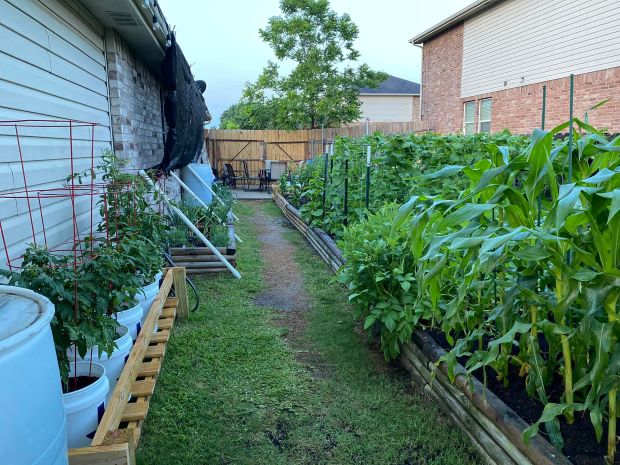
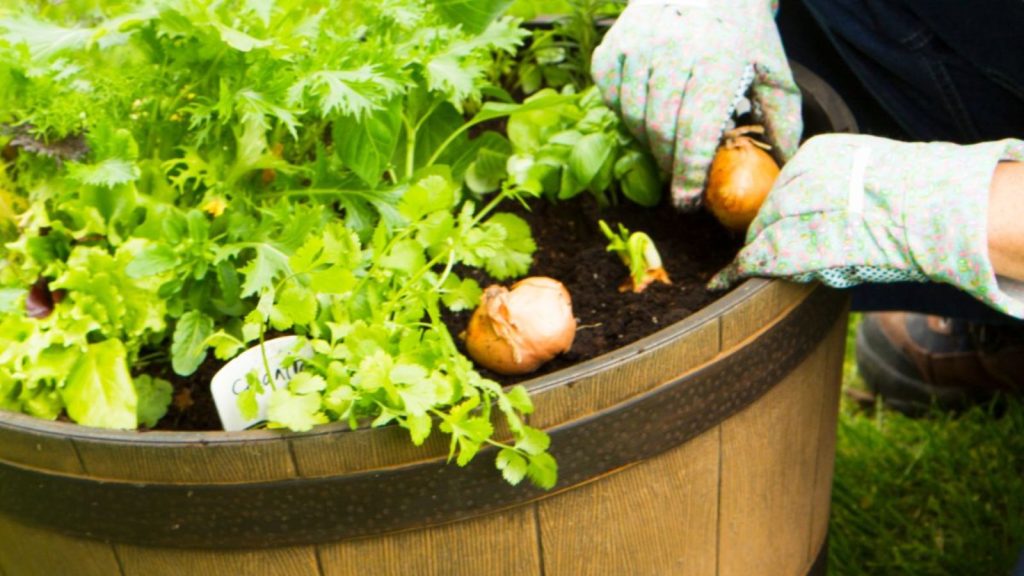
Growing vegetables, herbs, and even some fruits in containers or raised beds is one of the most practical solutions for those with limited outdoor space. With the right soil and sunlight, you can cultivate tomatoes, peppers, salad greens, and more on patios, balconies, or rooftops.
Vertical Gardening Techniques
Utilizing walls, fences, and trellises allows you to grow upwards instead of outwards. Vertical gardening is ideal for vining crops like cucumbers, beans, and peas, as well as for maximizing sunlight exposure in tight quarters.
Indoor Herb and Microgreen Gardens
Even without outdoor space, you can grow a variety of herbs and microgreens on a sunny windowsill or under LED grow lights. These fast-growing crops add fresh flavor to meals and require minimal space and maintenance.
Composting and Waste Reduction
Small-scale composting can be achieved with worm bins, bokashi systems, or compact tumblers. These methods transform kitchen scraps into valuable fertilizer for your plants, closing the loop on food waste and supporting a healthier ecosystem.
Tips for Success in Compact Homesteading
To make the most of your limited space, consider these practical strategies:
- Plan Your Layout: Map out your available space and prioritize crops or projects that offer the best yield for your needs.
- Rotate Crops: Change what you grow in each container or bed seasonally to maintain soil health and maximize harvests.
- Use Quality Soil: Invest in nutrient-rich soil and compost to support healthy plant growth in confined spaces.
- Embrace Technology: LED grow lights and self-watering containers can extend your growing season and simplify care.
- Connect with Community: Join local gardening or homesteading groups to share resources, seeds, and advice.
Common Challenges and How to Overcome Them
While homesteading in tight quarters is rewarding, it does come with unique obstacles. Here are some common challenges and solutions:
- Limited Sunlight: Use reflective surfaces, moveable containers, or supplemental lighting to ensure plants get enough light.
- Pest Control: Practice eco friendly pest prevention in homes to keep your garden healthy without harsh chemicals.
- Space Constraints: Prioritize high-yield crops and use vertical or stacking techniques to maximize your growing area.
- Local Regulations: Check city or HOA rules regarding gardening, composting, or keeping small livestock before starting new projects.
Expanding Your Sustainable Living Journey
Small-space homesteading is just one part of a broader movement toward sustainability and mindful living. As you gain confidence, you may want to explore other aspects such as rainwater harvesting, DIY cleaning products, or energy-saving practices. For more inspiration, see these ideas for a sustainable homesteading lifestyle and practical eco friendly routines that fit any home.
FAQ: Small-Space Homesteading Essentials
Can I really grow enough food in a small space to make a difference?
Yes, even a few containers or raised beds can yield a surprising amount of fresh produce, especially if you focus on high-yield crops like lettuce, spinach, herbs, and tomatoes. While you may not be fully self-sufficient, every bit you grow reduces your reliance on store-bought food and helps you eat healthier.
What are the best crops for compact homesteads?
Leafy greens, herbs, radishes, peppers, and bush varieties of tomatoes or beans are excellent choices for small gardens. Microgreens and sprouts also thrive indoors and offer quick harvests.
How do I start composting if I don’t have a yard?
Indoor composting solutions like worm bins (vermicomposting) or bokashi systems are perfect for apartments and small homes. These methods are odor-free and compact, turning kitchen scraps into valuable fertilizer for your plants.
Are there ways to homestead indoors?
Absolutely. Indoor gardening, sprouting, fermenting foods, and making homemade cleaning products are all part of the homesteading mindset and can be done without outdoor space.
Where can I learn more about eco-friendly homesteading?
For further reading, explore resources on modern eco homestead design and connect with local gardening groups or online communities dedicated to sustainable living.